Journal · In the room · 3 min read
The cheapest instrument in the consulting room
A black disc with a hole in it costs less than a pound and decides whether the next thing you need is a lens or a referral.
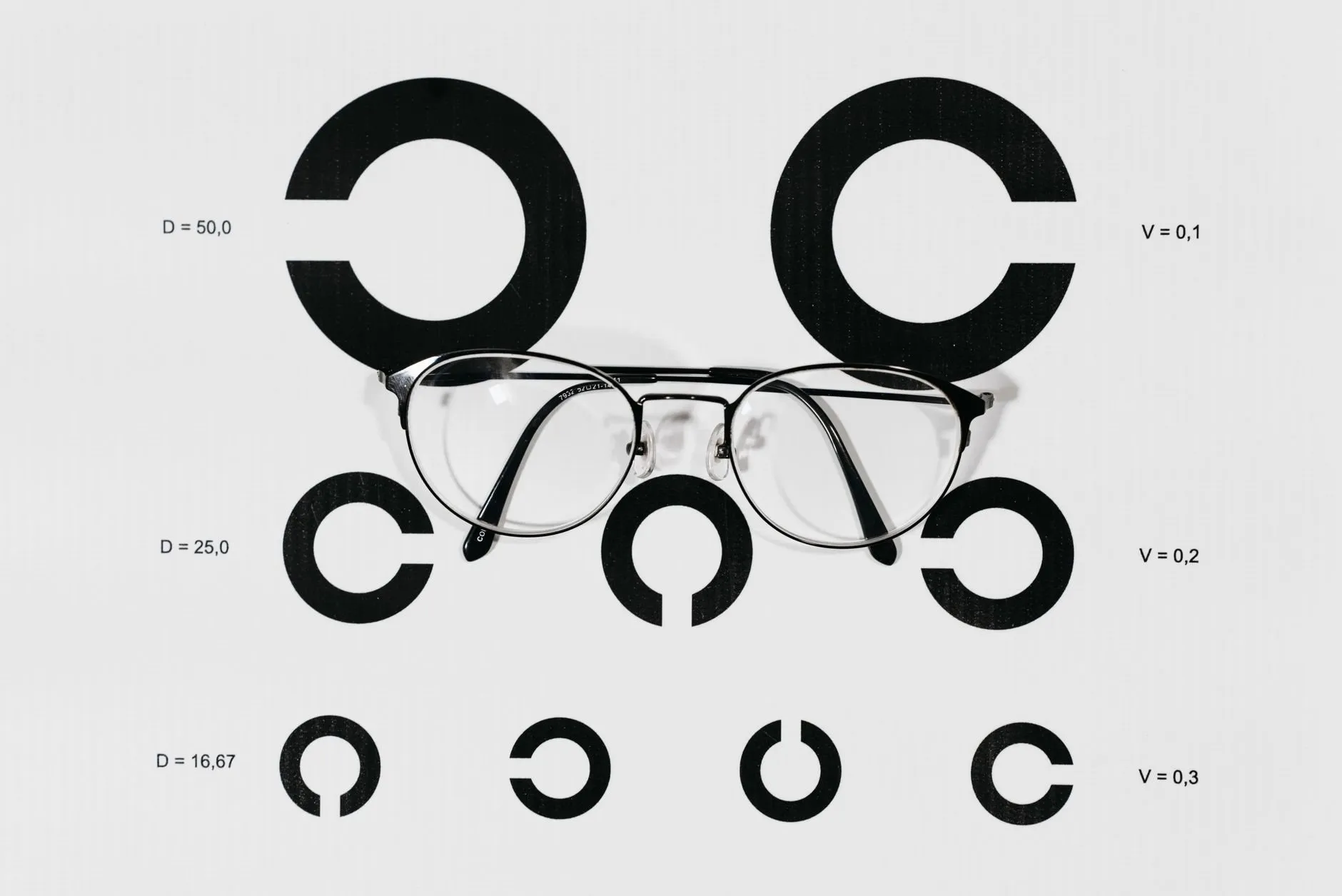
There is a black plastic disc in every consulting-room drawer with a small hole punched through the middle. It costs almost nothing, and it answers the most important question in an eye test: is this blur a focusing problem, or something else?
Why it works
A blurred image is a point of light spread into a disc on the retina. Narrow the beam that is let in, which is all a pinhole does, and that disc gets smaller, because you have thrown away the rays arriving at the wrong angle. Blur from long sight, short sight or astigmatism largely disappears.
Nothing about your eye has changed. The optics have simply been given an easier job.
What it rules out
If your reading of the chart improves through the pinhole, the fault is in the focusing, and a lens will fix it. That is the ordinary case.
If it does not improve, the fault is behind the optics: a cataract scattering light, a change at the macula, something at the optic nerve. A stronger prescription will not touch it, and anyone who sells you one is selling you glasses you will not get on with.
What happens next
We look. Pressures, retinal photographs, an OCT scan through the macula. Most of the time there is an explanation we can monitor here. Sometimes there is a letter to write, and we write it that day.
The pinhole is thirty seconds of a forty-five-minute appointment, and it decides which of those two conversations you are having.