Journal · Children’s eyes · 6 min read
Short sight in children, and what actually slows it down
More children are short-sighted than a generation ago. What the evidence says about screens, daylight and the lenses that can slow it.
Short sight, or myopia, usually starts between the ages of six and twelve and gets worse every year until the late teens. How far it goes matters: higher myopia raises the risk of retinal problems later in life.
Why it is becoming more common
The eye grows to fit what it is used for. Children who spend long hours focusing up close, and not much time in daylight, are more likely to grow eyes that are slightly too long, and a long eye is a short-sighted one.
Screens are part of the story, but not all of it. Books count too. The strongest protective factor in the research is simple: time outdoors.
Outdoors, every day
Around two hours a day outside, in daylight, is linked to a lower chance of a child becoming short-sighted in the first place. It does not have to be sport; being outside is what counts. Bright light seems to be the ingredient.
When myopia has already started
If your child is short-sighted and it is getting worse each year, there are three treatments with good evidence behind them:
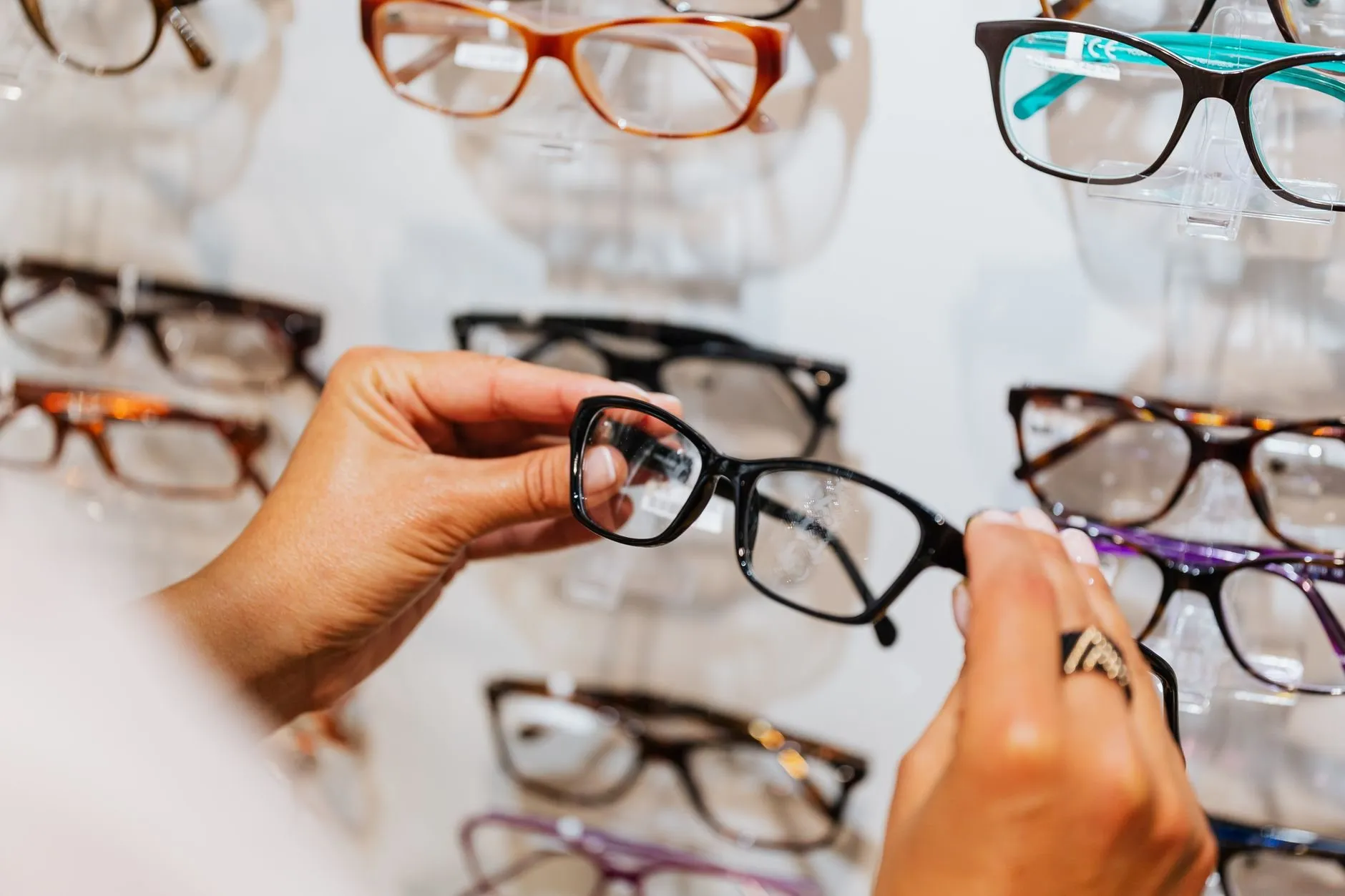
- Myopia-control spectacle lenses. They look like normal lenses but are designed to change how light lands on the edge of the retina.
- Myopia-control soft contact lenses, usually dailies, for children who are happy to wear them.
- Low-dose atropine eye drops, one drop at bedtime, prescribed through a specialist.
In trials, each slows progression by roughly a third to a half. None stops it entirely, and all of them work best when started early.
What we do in the children’s clinic
We measure your child’s prescription and, when it is worth it, the length of the eye, so we can see how fast it is changing. If treatment makes sense, Priya will set out the options, the monthly cost and what to expect, and leave the decision with you.